

The production floor is busy, the team is working, and orders are going out, yet financial results are not improving as expected. The problem may be hidden in everyday operations: waiting between stages, irregular portions, unnecessary movement, rework, or production capacities that are not aligned.
For a bakery or pizzeria, protecting margins does not simply mean buying a new machine. It means understanding where the process loses value and making production time, ingredient use, and finished-product quality more predictable.
Find Where Production Is Losing Value
Start by following one product from beginning to end. Where does work wait? Which operation needs repeated correction? At what stage do waste, rework, or differences between shifts increase?
Measuring time, output, and nonconforming products helps distinguish a real bottleneck from a perception. Without this initial picture, even a valid investment may address the wrong part of the process.
Make Repetitive Operations More Consistent
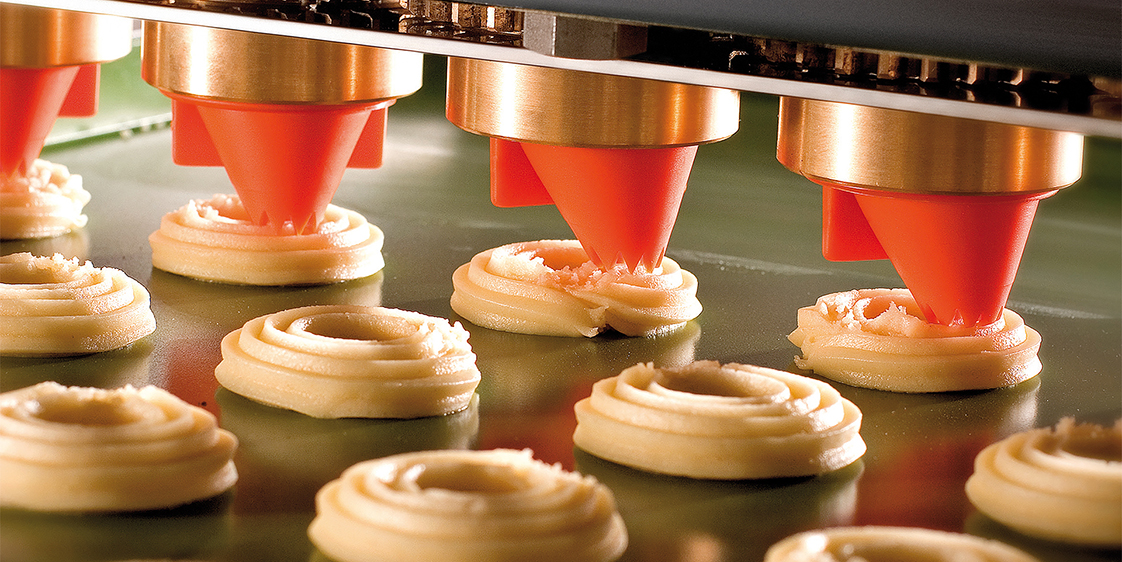
Dough preparation, dividing, and depositing directly influence later stages. More consistent portions can make ingredient use more predictable and contribute to greater uniformity during proofing and baking.
In a bakery, differences in cookie weight can produce less uniform results. Appropriate equipment makes repetitive operations more controllable, while operators maintain responsibility for recipes, checks, and adjustments.
Coordinate Every Stage of the Process
The efficiency of one machine matters little if the workflow cannot keep pace. Mixing, resting, proofing, preparation, and baking should be sized around the products, production volume, available space, and staff.
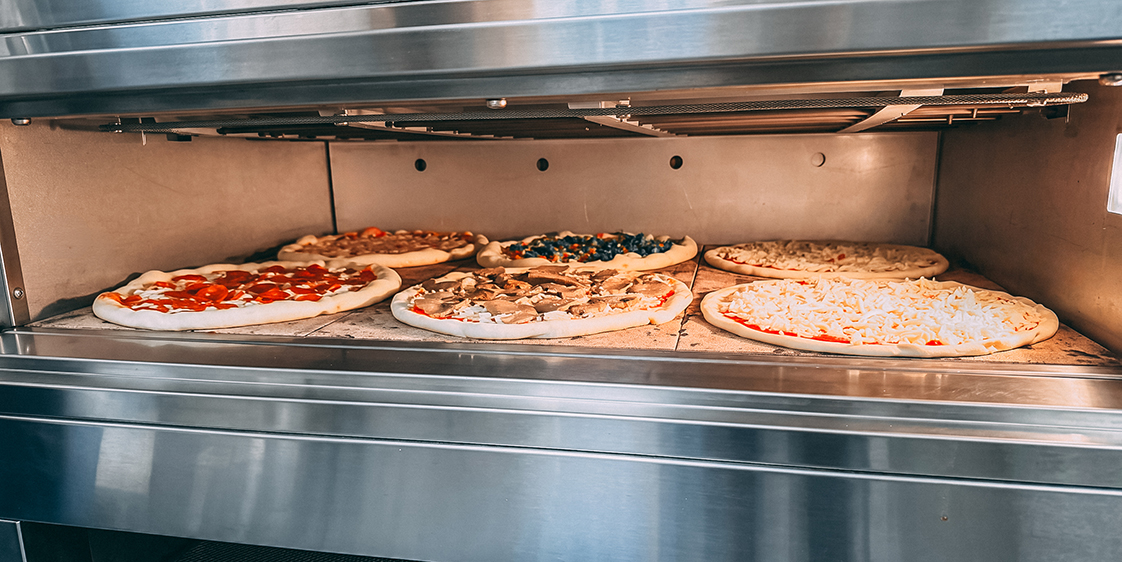
During a pizzeria’s evening rush, dough availability and baking capacity must remain aligned. Refrigeration, controlled proofing, and load planning can support daily organization when configured around the operation’s actual needs.
Turn Consistency Into Business Value
Consistent quality requires defined recipes, understandable procedures, training, and shared controls. Technology can support this method by making the parameters that influence the final result more repeatable.
Predictable production simplifies planning, limits avoidable rework, and helps deliver a recognizable product. Skilled professionals can focus more attention on process control, recipe improvement, and final quality.
Invest in the Real Bottleneck
The decision should begin with the stage that limits the process. Products, volumes, shifts, space, and growth plans help define an intervention that is properly scaled and measurable over time.
From mixers and dividers to proofing systems and ovens, Polin Group North America evaluates equipment within the complete workflow. Tell us about your products, volumes, and challenges: contact PGNA to discuss your production needs.
Frequently Asked Questions
How do you identify a production bottleneck?
Observe waiting time, capacity at each stage, rework, waste, and differences between shifts, using data collected during production.
Can more consistent portions help control waste?
They can make dough use more predictable and support uniform results, but the benefit must be evaluated for the specific recipe and process.
Which stage should be improved first?
Start with the stage that limits flow or creates the most costly variability, after reviewing products, volumes, staffing, space, and connected stages.